Day 39 - Growing Stewardhip
God has revealed something about himself to you. There's much more to learn. But, you have to do this one thing first.
FIRST 40 DAYS IN CHRIST
1/1/2001

40 Days
A Hermeneutic Foundation for a Lifetime of Growth

Day 39: Growing Stewardship


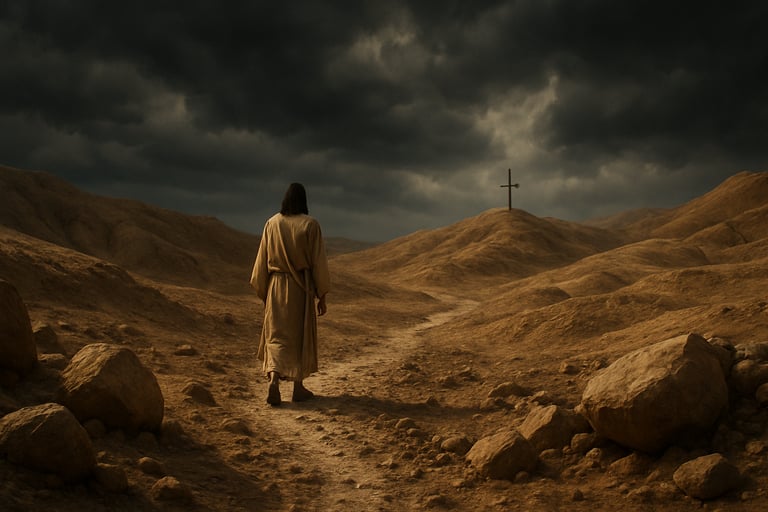
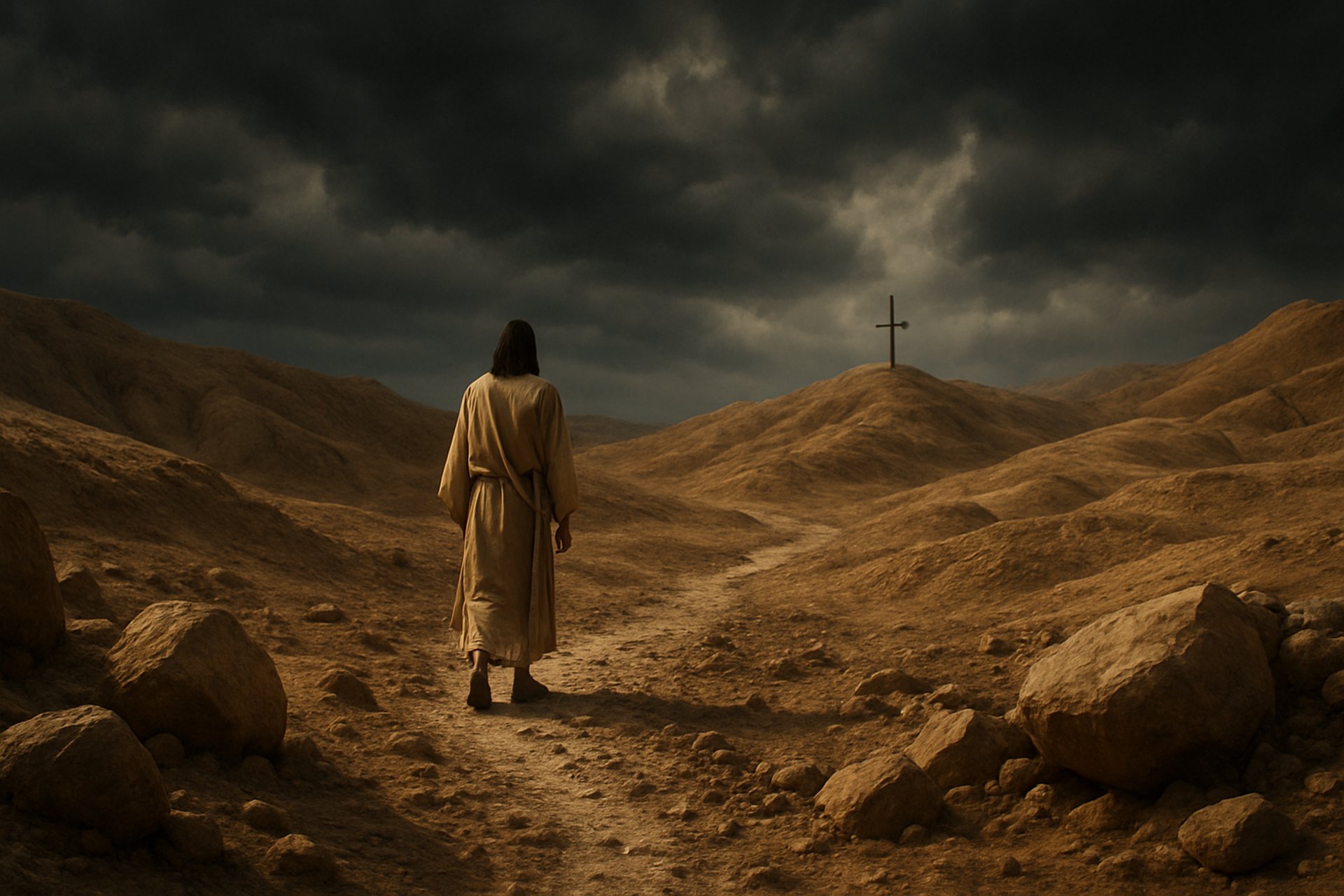
Is this a surprising passage to open with for a discussion on stewardship? Were you assuming that the topic on stewardship would be all about money?
As with all scripture, we really need to consider this passage in context. Earlier in Luke 8, Christ tells the parable of the sower and the soils. This parable gets a lot of attention from the pulpits.
Luke 8:5: A sower went out to sow his seed. And as he sowed, some fell along the path and was trampled on, and the wild birds devoured it. 6 Other seed fell on rock, and when it came up, it withered because it had no moisture. 7 Other seed fell among the thorns, and they grew up with it and choked it. 8 But other seed fell on good soil and grew, and it produced a hundred times as much grain. (NET)
Deducing the real meaning of the seed and the soils could get tricky. Fortunately, Christ immediately pulls the disciples aside and explains the meaning of the parable to them.
Luke 8:15: But as for the seed that landed on good soil, these are the ones who, after hearing the word, cling to it with an honest and good heart, and bear fruit with steadfast endurance. (NET)
What do you think the intent of the sower is? Sure, today's to-do list simply reads “scatter the seed.” But, the bigger picture is to yield produce, grain. Beyond that, the grain is intended for food of some type. But, did you realize that grain (wheat) is an annual plant? That means the sower will have to repeat this effort each year. In an agrarian society, the sower is keenly aware that their need for food is ongoing. Hence, the need for seed is ongoing. Grain is simply the harvested seed of the grass. Future crops depend on the current yield of seed.
It's clear that the seed represents little revelations of God sown by the Holy Spirit. We are the soil. Stopping the passage at this point, many miss the important part of Christ's message. Many conclude that our job (as soil) is to faithfully steward the seed by reproducing the seed, by taking the revelation to others. This doesn't make sense in the analogy because the soil doesn't propagate itself or spread the seed, nor does the annual plant propagate itself.
Without any break whatsoever, Luke continues Christ's message to His disciples. Christ emphasizes the ridiculousness of hiding a lamp under a basket. The reason one lights a lamp is to facilitate work that needs to be done. Then He explicitly states the summary of the seed/soil parable:
Luke 8:18: So listen carefully, for whoever has will be given more, but whoever does not have, even what he thinks he has will be taken from him.” (NET)
Think about it. When the sower returns next year, will he waste seed on the ground that didn't produce grain in the previous year?
If we are not faithful with the revelation that God has given us, why would He reveal more of Himself to us? Hebrews 6:7-8 might support this idea.
In Luke 8:19-21, Christ was using the family relationships to restate His priority as the sower. Spending time teaching receptive ears, He's a future-minded sower reserving seed for the best soil.
Which of the four soil types are you now and which do you intend to be?
Luke 8:19: Now Jesus’ mother and His brothers came to Him, but they could not get near Him because of the crowd. 20 So He was told, “Your mother and your brothers are standing outside, wanting to see You.” 21 But He replied to them, “My mother and my brothers are those who hear the word of God and do it.” (NET)

Faithful with Little
Frequently asked questions
1
...
2
..
3
..
4
...
5
..
johna.gain100ad@gmail.com
Copyright © 2025 - my40Days